Land Rights and Aboriginal Title
Learn about Land Rights and Aboriginal Title from the UBC Indigenous foundations website
Read More
Learn about Land Rights and Aboriginal Title from the UBC Indigenous foundations website
Read More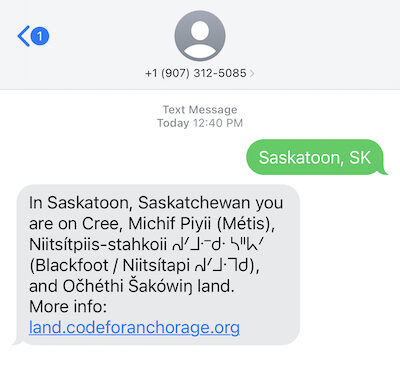
A great resource for a check of whose land you are on. Text 1 (907) 312-5085 with your city/region and province/state/country you are in. It also works with zip codes/postal codes.
Read More
The Water Is Life learning package is a series of four lessons plans that draw on on land-based learning, centered on women’s teachings about, for, and from Mother Earth, with a specific focus on water and its connection to land and the Indigenous Peoples living on Turtle Island.
Read More
Google Earth Voyager Stories is an interactive Google map that aims to enhance understanding of Indigenous history.
Read More
Canadian Geographic and its publisher the Royal Canadian Geographic Society, created an interactive website, re: Location, as part of a larger initiative dedicated to highlighting community relocations n Canada. Learn about communities (historic and modern) that have been forced to relocate.
Read More
Advocate for reclaiming Indigenous place names in Saskatoon. If you have a suggestion to change the name of a street, parks, and other civic properties, you can fill out a form on the City of Saskatoon’s website.
Read More
Nature Canada has partnered with the Sakitawak IPCA, A Métis-led initiative to create an Indigenous Protected and Conserved Area (IPCA) in the community of Île-à-la-Crosse, to support their efforts to ensure a traditional trapping area located in Northern Saskatchewan’s pristine boreal forest becomes an Indigenous Protected and Conserved Area under Métis management.
Read More
Indigenous Peoples in Canada are working to restore place names and revitalize their languages after colonial policies and law sought to eradicate them. The article, Reclaiming Indigenous Place Names, from the Yellowhead Institute shows the importance of restoring Indigenous place names to reclaim Indigenous knowledge and territories.
Read More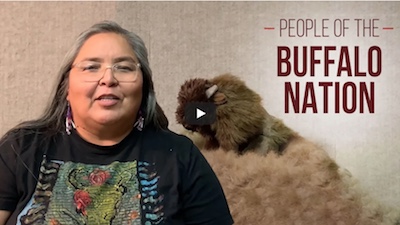
Watch People of the Buffalo Nation where Joely BigEagle-Kequahtooway from the Buffalo People Arts Institute tells the story of the “Pile of Bones” name of Regina, and the history of the bison across North America.
Read More
Did you know that modern treaties cover more than 40 percent of Canada’s land mass? Or that more than 70 Indigenous groups are currently negotiating modern treaties?
Read More
The residential school system separated 150,000 Indigenous children from their families — and the last one closed in 1996. Was one of those schools in or near the community where you grew up? You can use the CBC interactive map to find out.
Read More
The book, A Line of Blood and Dirt: Creating the Canada-United States Border across Indigenous Lands, covers 150 years of history spanning two countries and dozens of ethnic groups. It’s a look at the messy and often violent history of the world’s longest undefended border.
Read More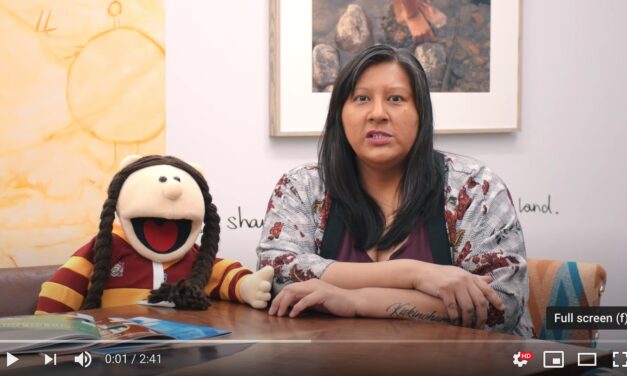
The Calgary Public Library friends Henri and Charlie teaches the significance of the Treaty 7 land acknowledgment, which recognizes the history of the lands in southern Alberta, including Calgary.
Read More
Chris Hsiung, the producer and director behind Elder in the Making, also created Fox Chaser, which is now available on CBC Gem.
It’s a story that will take you into the harsh winters of northern Alberta where a young Cree trapper struggles to protect his childhood dream of living off the trapline. With encroaching industrial development and increasing family obligations, this may be his last chance for freedom in the bush.
Read More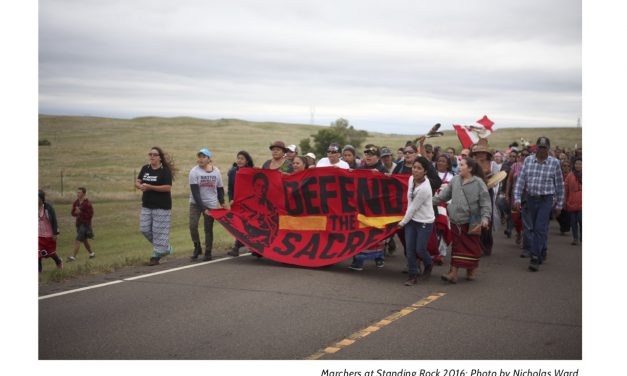
The US Department of Arts and Culture created a guide – Honor Native Land: A Guide and Call to Acknowledgement.
It calls on individuals and organizations to open events and gatherings with land acknowledgements and provides suggestions on how, and why, to do it.
The History of Food in Canada Is the History of Colonialism
An article in Walrus magazine looks at the destruction of Indigenous food systems and asks what would it take to restore them.
Read MoreThe online magazine alive offers an article on “Aboriginal Medicine: Four Canadian plants with the power to heal” by Cara McKenna.
Read More
This CBC News article includes a short video and looks at a program at Wanuskewin Heritage Park —a walking tour of medicinal plants used by Indigenous peoples. Or read Braiding Sweet: Indigenous Wisdom, Scientific Knowledge and the Teaching of Plants by Robin Wall Kimmerer. “As a botanist, Robin Wall Kimmerer has been trained to ask questions of nature with the tools of science. As a member of the Citizen Potawatomi Nation, she embraces the notion that plants and animals are our oldest teachers.” A delicious read.
Read More“Six thousand years ago, Wanuskewin echoed with the thundering hooves of bison and the voices of Indigenous peoples from across the Northern Plains.” Wanuskewin provides tours and programs that share these stories, which still echo through the land.
Read MoreThe Office Of The Treaty Commissioner Website
The Office of the Treaty Commissioner offers an excellent resource for an introductory understanding of treaties. There are also links to teaching resources and FAQs.
Read More
Elder in the Making is a 95 minute documentary about a Blackfoot First Nation man and a Chinese Canadian newcomer embarking on a spiritual journey across traditional Blackfoot territory rediscovering their shared heritage.
Read MoreAboriginal Contributions to Place Names in Canada
“The map of Canada is a rich tapestry of place names which reflect the diverse history and heritage of our nation. Many of the country’s earliest place names draw on Aboriginal sources.” This document from the University of Manitoba offers a starting point for your research!
Read More“The KAIROS Blanket Exercise™ program is a unique, participatory history lesson – developed in collaboration with Indigenous Elders, knowledge keepers and educators – that fosters truth, understanding, respect and reconciliation among Indigenous and non-indigenous peoples.” Many local organizations now offer facilitation for this exercise. It’s an incredible learning experience to continue your journey of Reconciliation.
Read More
Online dictionary of Canadian Biography
This detailed article explores the life of Chief Poundmaker and his role in the negotiations of Treaty 6 in 1876.
Read More
First Peoples of Canada Website
The First Peoples of Canada online resource looks at the difference between the Canadian government and Indigenous perspectives regarding treaty agreements. (Photo: A page from Treaty 4. Library and Archives Canada.)
Read More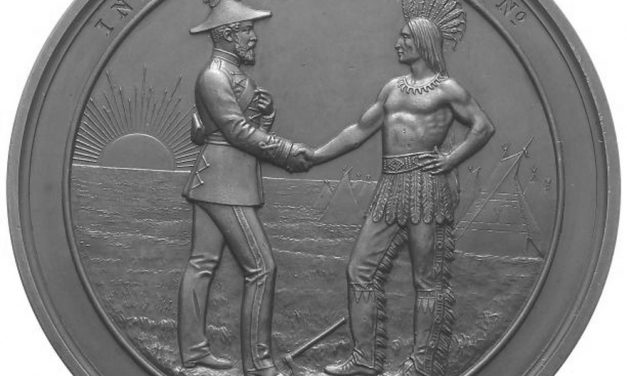
CBC News, “Treaties from 1760 – 1923”
“Treaties from 1760 – 1923: Two sides to the story” is a short CBC News article that explores how oral agreements often differed from what appeared in printed documents. (Photo:Library and Archives Canada, Acc. No. 1986-79-1638)
Read More
Everyone, at some point in their journey of Reconciliation, needs to read the 94 Calls to Action recommended by the Truth and Reconciliation Commission to “redress the legacy of residential schools and advance the process of Canadian reconciliation.” Or connect here to the Truth & Reconciliation Commission Final Report to read other sections and excerpts.
We have included this action in every category and every path on this website as a reminder of how important it is for us to understand the history and path of Reconciliation in our country.
Read More
The Office of the Treaty Commissioner Website
Saskatchewan has a Treaty history that has led us to the Treaty relationship we have today. This interactive timeline hosted by the Office of the Treaty Commissioner is a great starting point to learn more about that history.
Read MoreThis useful tool from The Canadian Encyclopedia offers a detailed historical timeline of Indigenous Peoples in Canada, which can be organized by theme or historical periods.
Read More
Download Whose Land Is It Anyway?
This book contains two essays from Arthur Manuel, described as the Nelson Mandela of Canada, and essays from renowned Indigenous writers Taiaiake Alfred, Glen Coulthard, Russell Diabo, Beverly Jacobs, Melina Laboucan-Massimo, Kanahus Manuel, Jeffrey McNeil-Seymour, Pamela Palmater, Shiri Pasternak, Nicole Schabus, Senator Murray Sinclair, and Sharon Venne.
Read More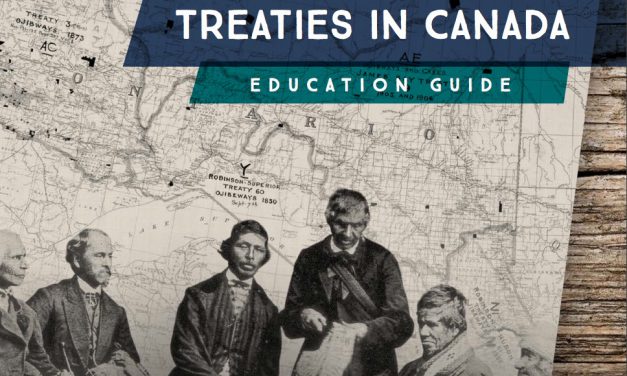
This education guide is a project of Historica Canada and includes teacher tips, historical timelines, and suggested activites for students. But it’s not just for teachers and students. Treaties in Canada is a great introduction for everyone.
Read More
Interactive Map of Treaties in the World
Whose Land – Map of Territories by Land
Travel can be an opportunity for learning and growth. This simple tool will help you identify whose traditional lands you are on when your adventures take you elsewhere in Canada or the world.
Read MoreProtocol for Educational Institutes
Begin all meetings and events with a land acknowledgement of the traditional territory on which you gather. It is a sign of respect, recognizing “you’re on the land of a Nation that has had a relationship since time immemorial with that land.” In addition to the links above, Amnesty International offers a guide for creating land acknowledgements and the Native Land website can also help you identify which territory you reside on.
Read MoreParks Canada Travel Experience
Parks Canada and their Indigenous partners offer meaningful journeys to explore Indigenous roots in Canada, interacting with First Nation, Métis and Inuit cultures.
Read More
Mistahimaskwa (Big Bear) was a Plains Cree chief, best known for his refusal to sign Treaty 6 in 1876 and for his band’s involvement in violent conflicts associated with the 1885 North-West Rebellion. Photo Credit BiblioArchives, Government of Canada.
Read More
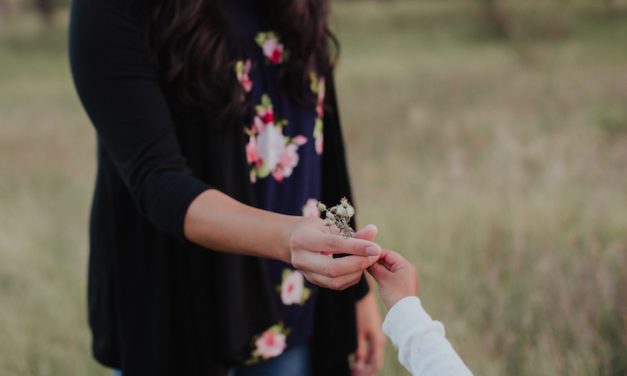
Learn About Indigenous Medicinal Plants
“Medicine is all around us. For centuries, Indigenous peoples found all of the medicine they needed on the land, using plants to treat a variety of ailments and conditions.” Learn more from the guides at Wanuskewin.
Read MoreThis Northern Plains Indigenous Interpretive Site is home to over 6000 years of history, and truly unique cultural experience for the whole family.
Read More