Learn About Indigenous Medicines
The online magazine alive offers an article on “Aboriginal Medicine: Four Canadian plants with the power to heal” by Cara McKenna.
Read More
The online magazine alive offers an article on “Aboriginal Medicine: Four Canadian plants with the power to heal” by Cara McKenna.
Read More
This CBC News article includes a short video and looks at a program at Wanuskewin Heritage Park —a walking tour of medicinal plants used by Indigenous peoples. Or read Braiding Sweet: Indigenous Wisdom, Scientific Knowledge and the Teaching of Plants by Robin Wall Kimmerer. “As a botanist, Robin Wall Kimmerer has been trained to ask questions of nature with the tools of science. As a member of the Citizen Potawatomi Nation, she embraces the notion that plants and animals are our oldest teachers.” A delicious read.
Read MoreMuskrat Magazine on Indigenous Poetry
CBC’s List of 5 Indigenous Poetry Collections
Saskatoon Indigenous Poets Society
Use these sources to connect with the outstanding voices in Canada’s poetry scene. Interested in spoken word poetry? Some prominent and inspiring voices include Tenille Campbell, Kevin Wesaquate, Zoey Pricelys Roy, and ecoaborijanelle.
Connect with us to recommend an Indigenous poet!
Read MoreThis video by the First Nations Health Authority looks at how the social determinants of health affect Indigenous communities.
Read More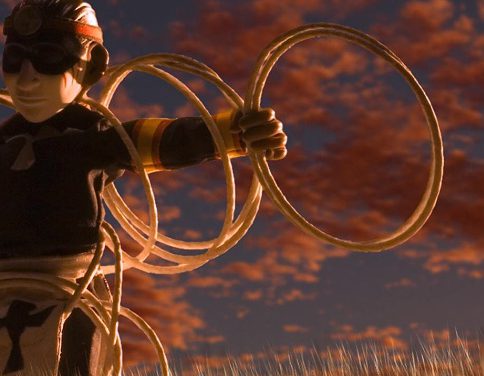
Look at the National Film Board’s website to find short films for younger learners (ages 6 – 11) by Indigenous filmmakers from across Canada.
Read More
CBC News: “What does Reconciliation Mean to You?”
Reconciliation can mean something very unique to each of us but we need to take the time to listen, learn and share with one another. This CBC article looks at individual reflections and will spark your own reflections!
Read More
The Tyee talks about Fatty Legs
The Education of Augie Merasty
CBC Book List of 15 Memoirs by Indigenous Writers
If autobiographies are your thing, here are a few titles that will get you started—including The Education of Augie Merasty, Richard Wagamese’s One Native Life, and The Reason You Walk by Wab Kinew. These titles will educate and transform you.
Read More
Saskatchewan School Boards Association Reconciliation Reading List
Reconciliation starts with education and there are many great titles that can help you dive deep into a learning process around Indigenous history, culture and residential schools. Whether fiction or non-fiction is your preference, you’ll find a range of titles on these must-read lists.
Read MoreEdmonton’s Rise Book Club
Saskatoon Public Library: Read for Reconciliation
Book clubs are a great way to share the path of Reconciliation with friends, family and community. There are many great formats and book lists to borrow from. All you need is a few members and start reading!
Read More
Indigenous Children’s TV Shows
The Aboriginal Peoples Television Network has many Indigenous children’s TV shows to choose from, including for example Louis Says, a show about an Aboriginal elder who speaks mostly Cree and a 10-year old boy who speaks only English. Some episodes can also be watched online.
Read MoreThe Indigenous Corporate Training Inc. website offers guidelines around the usage of terminology specific to Indigenous communities. Learning proper terminology is an important first step in engaging Indigenous partners in business.
Read More“Six thousand years ago, Wanuskewin echoed with the thundering hooves of bison and the voices of Indigenous peoples from across the Northern Plains.” Wanuskewin provides tours and programs that share these stories, which still echo through the land.
Read MoreCBC Gaming/Comic Book Guide for Parents
Comic books and graphic novels can be a great way to start the path towards Reconciliation—and there are many titles out there for kids and adults. Start with these lists to discover titles and authors!
Read More
CBC Reading List for Young Readers
Use these lists as a source of great books, comics and stories for kids, youth and teens.
Read More
Friendship Centres provide services to urban Indigenous communities. Friendship Centres were first established in the 1950s, and there are now more than 100 Centres across Canada. Find your local Friendship Centre through the National Association of Friendship Centres or visit:
Aboriginal Friendship Centres of Saskatchewan
Saskatoon Indian & Métis Friendship Centres
University of Saskatchewan Events
Office of the Treaty Commissioner Events
Wanuskewin Events Calendar
Find out about speaker events or workshops that expand your knowledge of Indigenous histories and cultures. Attend a workshop for Indigenous Awareness Training. These events calendars will keep you in the know about what is coming up!
Read MoreA family-friendly festival packed with fiddle, guitar and jigging workshops and concerts, and a Métis cultural camp including finger weaving, beading, storytelling and dancing.
Read More
Visit the Orange Shirt Day website to learn about how to participate and use this opportunity to educate others about Residential Schools. Wear an Orange Shirt Day, set aside time to connect with local Reconciliation events, or learn on your own.
Read MoreWe all need education in Indigenous histories and cultures–and newcomers must be included in the initiative to foster relationships between Indigenous and non-Indigenous peoples. While we hope some resources in the ConnectR project will be accessible to newcomers, there are also local organizations like Saskatoon’s Open Door Society which hosts special training and events.
Read MoreTwo Spirits, One Voice is a community-based initiative that seeks to bolster supports for persons that identify both as LGBTQ and Indigenous: Two Spirit people. Start by watching their 16 minute video!
Read More
Elder in the Making is a 95 minute documentary about a Blackfoot First Nation man and a Chinese Canadian newcomer embarking on a spiritual journey across traditional Blackfoot territory rediscovering their shared heritage.
Read More
Reserve 107 is a documentary about recent Reconciliation initiatives in the prairies. The film documents the Reconciliation of land between the Young Chippewayan First Nation and the town of Laird, Saskatchewan.
Read More
“ayisīnowak: A Communications Guide is intended to provide individuals with a basic outline of Aboriginal protocol and governance systems in order to facilitate improved relationship building either as co-workers, through business opportunities or through inclusion in specific projects.”
Read MoreHeartspeak is about sharing stories that inspire and providing inspirational educational media to support well-being and success. In this segment, Senator Murray Sinclair (Chair, Truth & Reconciliation Commission) provides background on the history of residential schools and the work of the Truth & Reconciliation Commission. He highlights the need to teach the history and intergenerational impact of residential schools and our shared responsibility to forge a new relationship of mutual respect and trust.
Read MoreStolen Children is an 18 minute video from CBC News show The National, which demonstrates how Residential Schools affected survivors and their children and grandchildren.
Read MoreMuffins for Granny Excerpt
Telling the urgent story of how the Canadian residential school system affected her grandmother’s life, filmmaker Nadia McLaren weaves together home movies with accounts from seven other survivors to document this painful period of Canadian history.
We Were Children at the National Film Board
This National Film Board film explores the residential school experience through the perspective of two children. This film has disturbing content that would not make it suitable for youth.
Read More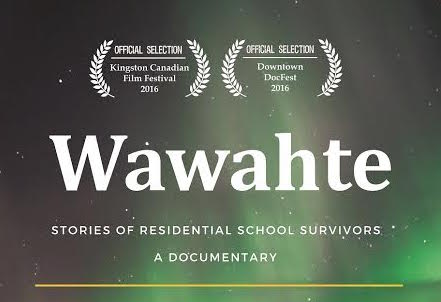
In 2015, the Wawahte book was made into an educational documentary that combines archival images with clips of Residential School survivors sharing their stories.
Read More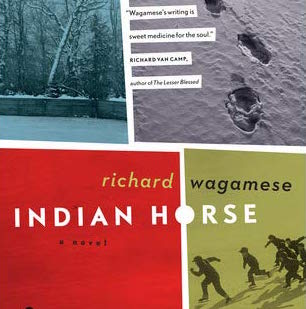
Indian Horse is an award-winning novel by Richard Wagamese, which was also made into an outstanding feature film. It “sheds light on the dark history of Canada’s Residential Schools and the indomitable spirit of Indigenous people.”
Read More
10 Children’s Books About Residential Schools
“The following ten books reflect on the residential school experience in different ways. They have all been identified as age-appropriate for children under 12 by reputable organizations.”
Read MoreMeet Dr. Nadine Caron, Canadas first female First Nations Surgeon on CBC Radio, The Current. Hear Dr. Caron talk about how traditional Indigenous healing practices and Western medicine can co-exist.
Read MoreAboriginal Contributions to Place Names in Canada
“The map of Canada is a rich tapestry of place names which reflect the diverse history and heritage of our nation. Many of the country’s earliest place names draw on Aboriginal sources.” This document from the University of Manitoba offers a starting point for your research!
Read More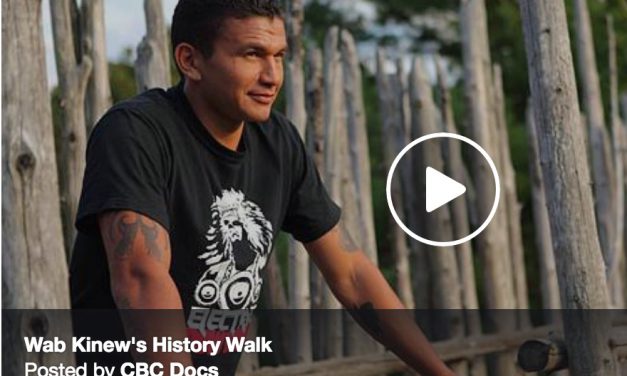
CBC Docs has compiled a list of must-watch Indigenous documentaries and you can access them all at the above link.
Read More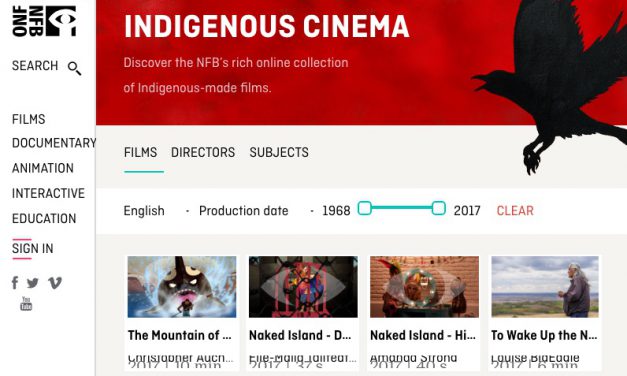
Visit the National Film Board website to see their rich online collection of Indigenous-made films.
Read MoreAboriginal Peoples Television Network (APTN) is the source for Indigenous content–from movies to programs to news.
Inspired by the imagineNATIVE Film + Media Arts Festival in 2014, this list of Indigenous films is a great starting point for a journey into Indigenous cinema history: Indigenous Film Trailers.
Read More
You are beginning a path of Reconciliation by visiting ConnectR and choosing to answer some of the calls to action listed here. Share your learning journey on social media and challenge your friends and family to get involved! Use the hashtag #beaconnectr and find us on Facebook, Twitter, and Instagram.
Read MoreBusiness Case for Inclusion
Indigenous Works engages with companies and organizations to strengthen their performance and results in Indigenous employment, workplace engagement and inclusion. On the website, five business cases for Indigenous workplace inclusion are presented.
Aboriginal Employee Retention
The ICT mission is to provide training to get everyone Working Effectively with Indigenous Peoples® in their day-to-day jobs and lives. They do this by providing a safe training environment for learners to acquire the knowledge, skills, and attitude required to be effective.
“The KAIROS Blanket Exercise™ program is a unique, participatory history lesson – developed in collaboration with Indigenous Elders, knowledge keepers and educators – that fosters truth, understanding, respect and reconciliation among Indigenous and non-indigenous peoples.” Many local organizations now offer facilitation for this exercise. It’s an incredible learning experience to continue your journey of Reconciliation.
Read MoreThe Facing History and Ourselves website offers educational resources and professional development with the intention of addressing racism and discrimination. Stolen Lives: The Indigenous Peoples of Canada and the Indian Residential Schools is both a book and online resource.
Read More
Hashtags are a great way to follow and become involved in online conversations around Reconciliation. Try #myreconciliation; #readtheTRCreport; #reconciliation; and #myreconciliationincludes.
Read More
Indigenous & Northern Affairs Canada
The Canadian Government’s Department of Indigenous & Northern Affairs offers First Nation Profiles—a collection of information that describes individual First Nation communities across Canada. The profiles include general information on a First Nation along with more detailed information about its reserve(s), governance, federal funding, geography, registered population statistics and various Census statistics. Their interactive map will help you locate Indigenous communities near you.
Read More
There are incredible Indigenous jewelry designers that you can support by purchasing their work. Make sure you’re buying from an authentic retailer or try shopping online directly from the artist!
Read More
Online dictionary of Canadian Biography
This detailed article explores the life of Chief Poundmaker and his role in the negotiations of Treaty 6 in 1876.
Read MoreAn Open Letter to Non-Natives in Headdresses
âpihtawikosisân is a blog about law, language and culture written by Chelsea Vowel from a Métis perspective. This article offers insight into what are restricted and non-restricted items and symbols when it comes to fashion and design.
“But Why Can’t I Wear a Hipster Headdress?”
Native Appropriations is a website that offers a forum for discussing representations of Indigenous peoples. This article explores the practice of non-Indigenous people wearing headdresses. It’s also a great site for discussions around stereotypes, cultural appropriation, news and more.
CBC’s radio show Tapestry explores the difference between cultural appreciation and cultural appropriation. Listen here to become more informed.
Read More
First Peoples of Canada Website
The First Peoples of Canada online resource looks at the difference between the Canadian government and Indigenous perspectives regarding treaty agreements. (Photo: A page from Treaty 4. Library and Archives Canada.)
Read More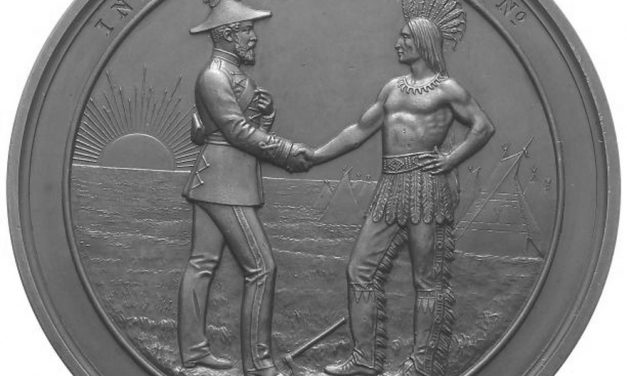
CBC News, “Treaties from 1760 – 1923”
“Treaties from 1760 – 1923: Two sides to the story” is a short CBC News article that explores how oral agreements often differed from what appeared in printed documents. (Photo:Library and Archives Canada, Acc. No. 1986-79-1638)
Read MoreSaskatchewan Indigenous Cultural Centre
Visit the SICC (Saskatchewan Indigenous Cultural Centre) for background and history of Indigenous languages in Saskatchewan. Also, see news about Federal Indigenous Languages Legislation.
Read More